
Uncategorized
CT Scan Prep Chicken Shooting Game Medical Checkup in Australia
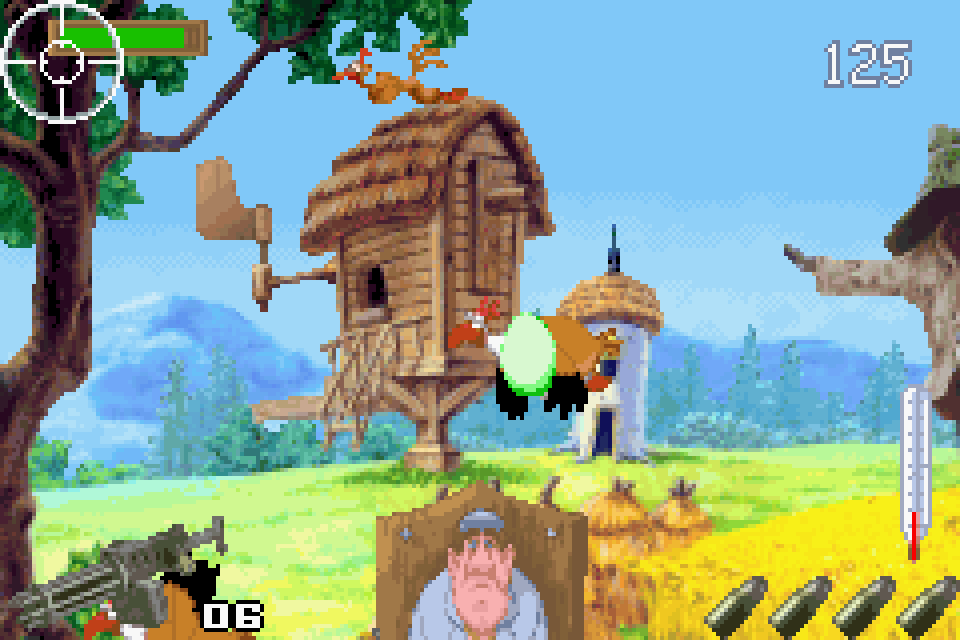
For people in Australia aiming to manage their health, the realms of medical scans and video games look miles apart. But I’ve noticed they share a common thread: both need a specific kind of preparation to obtain the best results. Getting ready for a CT scan requires a defined set of steps to make sure the images are correct. In a similar way, preparing for a session of Chicken Shoot Game requires a special focus to reach a high score. This piece explores that step-by-step preparation for a CT scan, utilizing the notion of a gamer’s mental preparation as a useful, if unexpected, analogy. All of this falls within the real-world realities of Australian healthcare.
What You Can Expect on the Day in an Australian Clinic
When I reach the clinic or hospital, I’ll register at the front desk and submit any forms. A radiographer will call me into a prep area. They’ll review a safety checklist, verifying who I am and what scan I’m having. If I need IV contrast, a nurse might put a small plastic tube called a cannula into a vein in my arm. Then I’ll be led into the scanning room. The radiographer will assist me in lying on the padded bed and might apply soft straps or cushions to assist me in holding the right position. They’ll operate the machine from the next room, but we can always see and hear each other through a window and intercom.
Throughout and Immediately After the Scan
Once things begin, the bed will move gradually into the scanner. I must lie absolutely motionless. They may tell me to hold my breath for a few seconds now and then to keep my chest from moving. The whole thing is finished fast, usually in ten to twenty minutes. When it’s complete, the radiographer will come back in and assist me in getting up. If I had a cannula, they’ll take it out. I can resume my normal day right away, unless I was given a sedative. If that’s the case, I’ll need someone else to drive me home. A specialist doctor called a radiologist will review the images, write a report, and send it to my own doctor. We’ll then meet to go over what it all means.
Understanding the CT Scan Process
To prepare well, I first need to be aware of what I’m in for. A CT scan, or Computed Tomography, acquires a sequence of X-ray images from various angles. A computer then builds these into detailed cross-sections of my bones, blood vessels, and soft tissues. It’s a common, non-invasive test used all over Australia in hospitals and private clinics to detect conditions from broken bones to tumours. The machine resembles a large ring. I’ll lie on a bed that moves into the centre, and the scanner rotates around me. The process itself doesn’t hurt, though I will notice some mechanical whirring and clicking while it works.
Why Meticulous Preparation is Critical
Clear images are vital for a correct diagnosis. If I move, or if there’s something inside my body that disrupts, the pictures can get distorted. A fuzzy scan might lead to I have to come back and repeat the process. This is why Australian radiographers provide such exact instructions. My job is to adhere to them to the letter. Doing so eliminates guesswork and gives the radiologist the clearest possible view. It’s a team effort where my part is uncomplicated but necessary, not unlike sticking to the rules of a game to make sure the score counts.
Typical Pre-Scan Instructions and Protocols
My preparation largely depends on which part of my body needs scanning. Nevertheless, a few fundamental rules are relevant to virtually every CT scan. My doctor or the imaging clinic hands me a sheet with these details. In Australia, I need to tell my medical team about any health conditions I have, like diabetes or kidney disease, because these may alter how they use contrast dye. I also have to list every medication and supplement I take. Turning up on time counts, too. Clinics operate on tight schedules to ensure efficiency for everyone in the public and private systems.
- Not eating: They could advise me not to eat or drink for a few hours ahead of the scan, particularly if I’m having contrast.
- Drugs: I normally can take my regular pills with a tiny sip of water unless they say not to.
- Garments: Loose, comfy clothes without metal zips or clasps are best. Most places offer me a gown to change into.
- Metal Items: All jewellery, glasses, hearing aids, and dentures must be removed. Metal produces streaks and shadows on the images.
After the Scan: Results and What Comes Next
After the scan, I have to be patient. The radiologist’s report is a complex document, and handling it properly takes time. In a state hospital, expecting to wait several days or even weeks for non-emergency results is normal. Private clinics can often be faster. I ought not to ask the radiographer doing the scan for my results. That’s not part of their duties. The person to see is the doctor who referred me for the scan in the first place. They’ll take the CT report, integrate it with everything else they know about my health, and decide on the next move. That might be a course of treatment, more tests, or simply the all-clear.
Mindset Prep: The Chicken Shoot Game Parallel
This is where the similarity to Chicken Shoot Game comes in. Preparing for a scan isn’t just about my body. I have to get my head in the proper mindset, too. I need to be relaxed, keep perfectly still, and pay attention. It reminds me of getting ready for a tricky level in a game that needs stable aim. Before I play, I’d organize my space, shut out distractions, and get my focus locked in. I use the identical approach before a scan. I perform some simple relaxation, focusing on slow breathing to help me stay motionless, just like I’d stabilize my hand for a difficult shot. This mental prep minimizes nerves and makes it simpler to follow the radiographer’s directions.
- Environment Check: Clearing the playing field for a game is like preparing my body for a scan: observing the fasting rules and removing metal.
- Focus Calibration: Using deep breaths to steady my nerves works the identical manner a gamer takes a calming breath before a crucial move.
- Instruction Adherence: Listening closely to the radiographer’s commands is just as essential as obeying the game’s rules to win.
- Post-Session Routine: Consuming water afterwards is my cool-down, a essential step for recuperation after both a scan and an challenging game.
Specific Considerations for Australia-based Patients
Managing healthcare down under has a few local specifics. If I have a Medicare card and a doctor’s referral, I’ll most likely get some money back for the scan cost. But I could still have an out-of-pocket fee, particularly at a private clinic. It’s a good idea to ask about the bill upfront. For people based in the country or remote areas, accessing a CT scanner might involve a trip to a bigger town. Services like the Royal Flying Doctor Service or state-based patient travel schemes can sometimes help with this. Australian clinics also operate under strict national privacy laws. They’ll make sure I grasp the procedure and how my information is protected before anything happens.
The Role of Contrast Material in CT Scans
Often, a doctor will prescribe a scan with contrast. This is a contrast agent that makes certain tissues or blood vessels show up more clearly. The staff might give it to me in different ways: as a drink, through a thin tube in a vein, or as an enema. If I have to drink it, I’ll start an hour or so before my appointment; it helps define my stomach and bowels. The kind that goes into my arm through a small needle can cause a sudden warm flush or a brief metallic taste. Telling the staff about any past allergies or kidney trouble is non-negotiable. It alters how they manage the procedure.
Addressing Potential Side Effects
Contrast material is harmless for most people, but it can have side effects. Most are minor and don’t last long. That warm feeling I mentioned happens to almost everyone and vanishes in a minute. I might feel like I need to urinate, even though I don’t. Serious allergic reactions are uncommon, but every Australian imaging centre has the equipment and training to handle them right away. After the scan is over, I should drink a lot of water. This helps my kidneys filter the contrast out of my body, a simple but important final step.
